Source Adjustable Anti Theft Wheel Clamp for Trucks, SUVs, and Vans
Find 30 adjustable anti theft wheel clamp options from Zhejiang suppliers. Compare zinc alloy cores, powder coating finishes, and universal fitments for trucks, SUVs, and vans. Review specs like 4.2kg weight and 25-30 day delivery times to secure your vehicle.
Key considerations
Products List


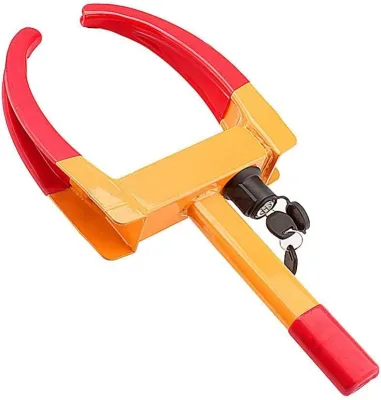


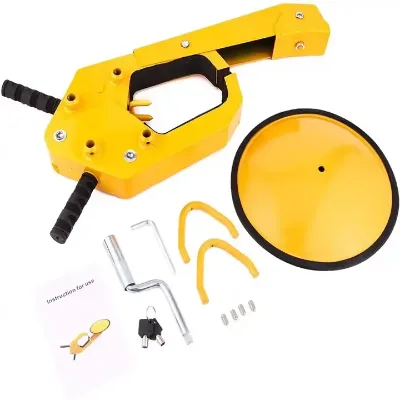
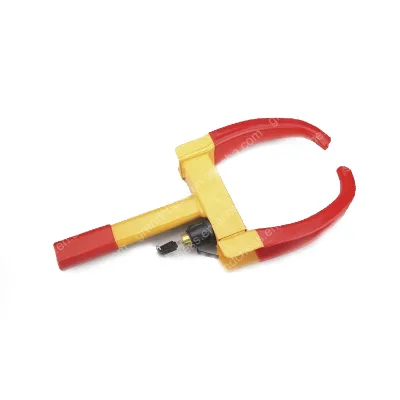
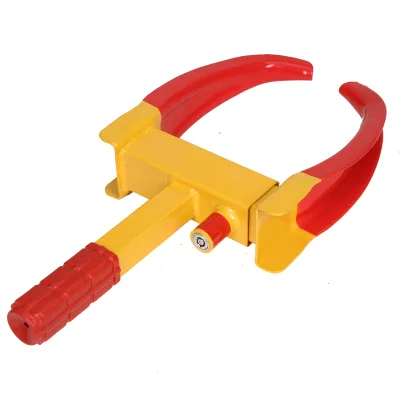


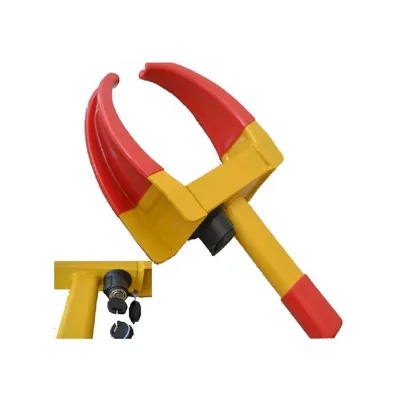
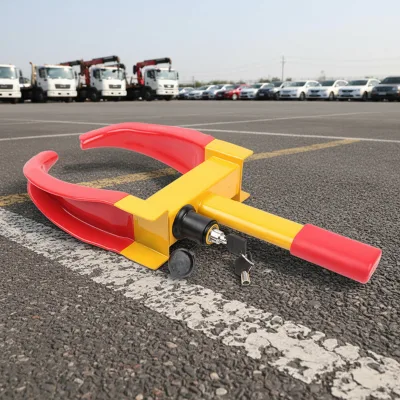
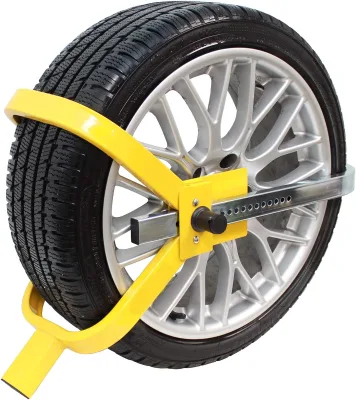
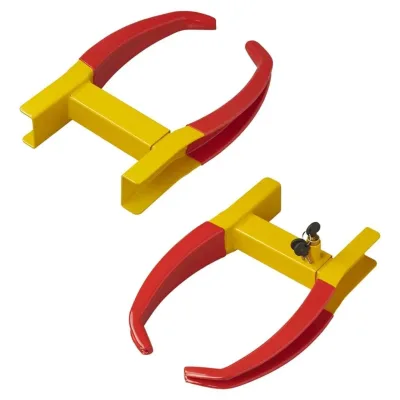



Comprehensive Sourcing Guide
Adjustable Anti Theft Wheel Clamp Sourcing Guide
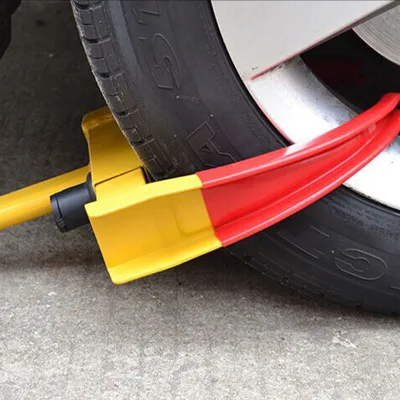
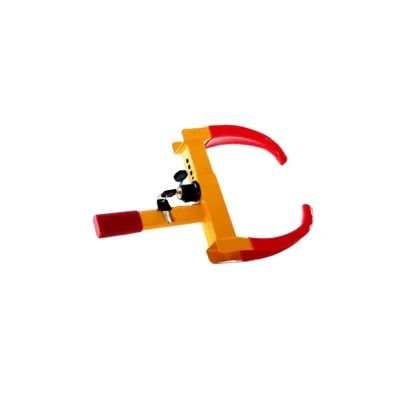
Procurement of adjustable anti-theft wheel clamps requires careful evaluation of universal fitment claims against specific vehicle dimensions. The observed product data indicates a strong focus on truck and SUV applications, with listings explicitly mentioning compatibility with European trucks and various commercial vehicle makes. Buyers must verify that the "Universal Car Models" designation aligns with the actual wheel diameter and tire width of their specific fleet, as the physical dimensions of the clamp, such as the 47cm length or 58x28x26cm package size, dictate the range of vehicles it can secure.
The customization options available in the market allow for significant branding opportunities, with suppliers offering customized logos and colors to match corporate identity. This flexibility extends to the lock core material, where zinc alloy cores are standard, though some listings suggest optional zinc cylinders for enhanced security. When sourcing, it is critical to confirm whether the customization affects the structural integrity of the steel body or the powder-coated finish, ensuring that aesthetic changes do not compromise the primary function of vehicle security.
Product Scope and Observed Listing Signals
The current market listings reveal a diverse range of specifications, with single package sizes varying from 45x20x6cm to 65x45x20cm, reflecting different capacity and weight classes. Buyers should note the significant variance in single gross weight, ranging from 4.2kg to 15.000kg, which directly impacts shipping costs and handling requirements for logistics teams. These weight differences often correlate with the robustness of the steel construction and the complexity of the locking mechanism, necessitating a clear definition of the required security level before placing an order.
Observations of the product models, such as WC-001 and AY-SL1030A, suggest a modular approach to manufacturing where specific features like water-proof covers and plastic coatings are standard. The presence of multiple key counts, including options for two or three keys, indicates that suppliers are catering to different operational workflows for fleet management. Procurement teams must determine if the need for a specific key count or a particular surface treatment like powder coating is a mandatory requirement for their security protocols or a negotiable preference.
Technical Specifications to Verify
Verification of the lock core material is essential, as the data highlights zinc alloy cores as a primary feature while noting optional zinc cylinders for specific models. Buyers must confirm the exact composition of the cylinder to ensure resistance against drilling or picking, especially since the product is designed for high-value assets like trucks and SUVs. The distinction between a standard zinc alloy core and an optional cylinder variant can significantly influence the overall security rating and should be explicitly defined in the purchase order to avoid receiving a lower-specification item.
Surface treatment and material composition are equally critical, with listings specifying steel bodies finished with either powder coating or plastic coating to resist corrosion and environmental wear. The single package dimensions and gross weights provided in the data serve as a baseline for verifying the physical integrity of the unit upon delivery. Procurement teams should request detailed technical drawings that confirm the thickness of the steel and the adhesion quality of the coating, ensuring the clamp can withstand the harsh conditions often encountered in commercial transport environments.
Compliance and Safety Documentation
While the provided data does not list specific certification numbers, the emphasis on "High Quality" and "Car Security" applications implies a need for rigorous internal testing standards. Buyers should request evidence of material tensile strength and lock mechanism durability tests, as these are industry-standard requirements for anti-theft devices used on commercial vehicles. Without explicit certification data in the listing, the burden of proof shifts to the supplier to demonstrate that their manufacturing processes meet the safety expectations for securing heavy-duty assets against theft.
Documentation regarding the origin of the product, specifically from Zhejiang or Ningbo in China, is necessary for supply chain transparency and potential tariff assessments. Although the listings mention "High Quality," this is an observation rather than a certified claim, so buyers must verify that the manufacturing facility adheres to relevant international safety standards for metalworking and locking mechanisms. Ensuring that the supplier can provide a certificate of origin and material safety data sheets is a prudent step to mitigate risks associated with importing industrial security equipment.
Cost Drivers and Commercial Terms
The observed price range of 1.02 to 98 USD suggests a wide disparity in product value, likely driven by differences in material thickness, lock complexity, and customization levels. Buyers must analyze whether the lower price points correspond to basic models with standard finishes or if they reflect a reduction in security features. Understanding the cost drivers behind the price variance is crucial for budgeting, as the cheapest option may not provide adequate protection for high-value fleets, while the most expensive models might include unnecessary features for standard operations.
Commercial terms such as the minimum order quantity (MOQ) and delivery lead times are significant factors in the procurement strategy, with observed MOQs ranging from 10 to 3000 units and delivery times of 25-30 days. These constraints can impact inventory planning and cash flow, particularly for buyers needing immediate deployment of security equipment. Negotiating flexible MOQs or consolidated shipping options can help mitigate the financial impact of the lead time, ensuring that the supply chain remains resilient against potential delays in production or logistics.
Supplier Qualification and Quality Control
Supplier qualification should focus on verifying the consistency of their manufacturing output, given the observed variations in product models and specifications. The presence of multiple product codes like AY-WL1017 and AY-WL1016 indicates a capacity for varied production runs, but buyers must ensure that quality control processes remain consistent across all models. Requesting samples from different production batches is a practical method to assess the uniformity of the powder coating, the fit of the keys, and the overall durability of the steel construction.
Quality control protocols must also address the packaging integrity, as the single gross weight and package dimensions vary significantly across the product range. Proper packaging, such as the carton boxes mentioned in the data, is essential to prevent damage during transit, especially for heavy items weighing up to 15kg. Buyers should establish clear acceptance criteria for packaging damage and product defects, ensuring that the supplier has a robust system for inspecting and replacing any units that do not meet the agreed-upon quality standards before shipment.
Long-Term Procurement Checks
Long-term procurement success depends on establishing a reliable supply chain that can consistently deliver products matching the initial specifications. The observed lead time of 25-30 days requires careful inventory management to prevent stockouts, particularly for fleets that may need to replace lost or damaged clamps quickly. Developing a relationship with the supplier that includes regular production updates and advance notice of any potential delays is essential for maintaining operational continuity in vehicle security.
Continuous monitoring of product performance and supplier responsiveness is necessary to ensure that the adjustable anti-theft wheel clamps continue to meet the evolving security needs of the fleet. Buyers should track key performance indicators such as the rate of key loss, the durability of the lock core, and the effectiveness of the water-proof cover over time. By maintaining open communication and conducting periodic audits, procurement teams can ensure that the supplier remains committed to quality and that the products continue to provide the high level of security required for commercial vehicle operations.
FAQs
Can the adjustable anti theft wheel clamp be customized with a logo?
Yes, customization is available for this product. Buyers can request a customized logo to be applied to the wheel lock. This feature allows businesses to brand their security equipment effectively. The product supports single item selling units, making it suitable for various procurement needs. Customization options help enhance brand visibility for fleet operators and security providers.
What is the lead time for ordering these wheel locks?
The delivery time for these wheel locks is typically 25 to 30 days. This lead time applies to standard production runs. Buyers should account for this duration when planning inventory. The product originates from Zhejiang, China, which influences shipping logistics. Early ordering is recommended to ensure timely delivery for fleet security projects.
Which materials are used to construct the adjustable anti theft wheel clamp?
The wheel clamp is constructed from high-quality steel. It features a zinc alloy lock core for durability and security. The surface treatment includes powder coating and plastic coating for weather resistance. These materials ensure the lock withstands harsh environmental conditions. The robust construction makes it suitable for universal car models and trucks.
How many keys are included with the adjustable anti theft wheel clamp?
The product includes either two or three keys depending on the specific model. Some variants come with two keys, while others provide three keys for added convenience. This variation allows buyers to choose based on their security requirements. The lock core is made of zinc alloy, ensuring reliable operation. Multiple keys help prevent loss-related access issues for fleet managers.
What is the packaging format for the adjustable anti theft wheel clamp?
The wheel clamp is packaged in a carton box. The single package size varies by model, with dimensions such as 58x28x26cm or 65x45x20cm. The gross weight ranges from 4.8kg to 15kg depending on the specific unit. This packaging ensures safe transit and storage. The carton box format is standard for bulk shipping and handling.
Is the adjustable anti theft wheel clamp suitable for all vehicle types?
Yes, the wheel clamp is designed for universal car models. It is suitable for trucks, SUVs, and vans. The product fits various vehicle types, including Europe trucks and specific brands like Toyota and Aebi. This versatility makes it ideal for diverse fleet security needs. The universal fitment ensures broad applicability across different vehicle categories.